.svg)
Deel and Remote (remote.com) were both founded around 2019 and today cover EOR, global payroll, and contractor management. Both start at around $599 per EOR employee per month on their published pricing pages, excluding salary, taxes, and statutory benefits. The surface similarities end there.
Deel runs a hybrid model spanning 150+ countries through owned entities and local partners, with a product suite that extends well beyond employment into HR, IT, and engagement. Remote, on the other hand, owns its legal entities in every country it operates in, which means fewer markets but direct control over the full employment relationship in each one. Neither is universally better.
The right choice depends on whether maximum coverage and platform consolidation (Deel) or owned-entity compliance depth and predictable pricing with no deposit (Remote) is the priority.
Deel Overview
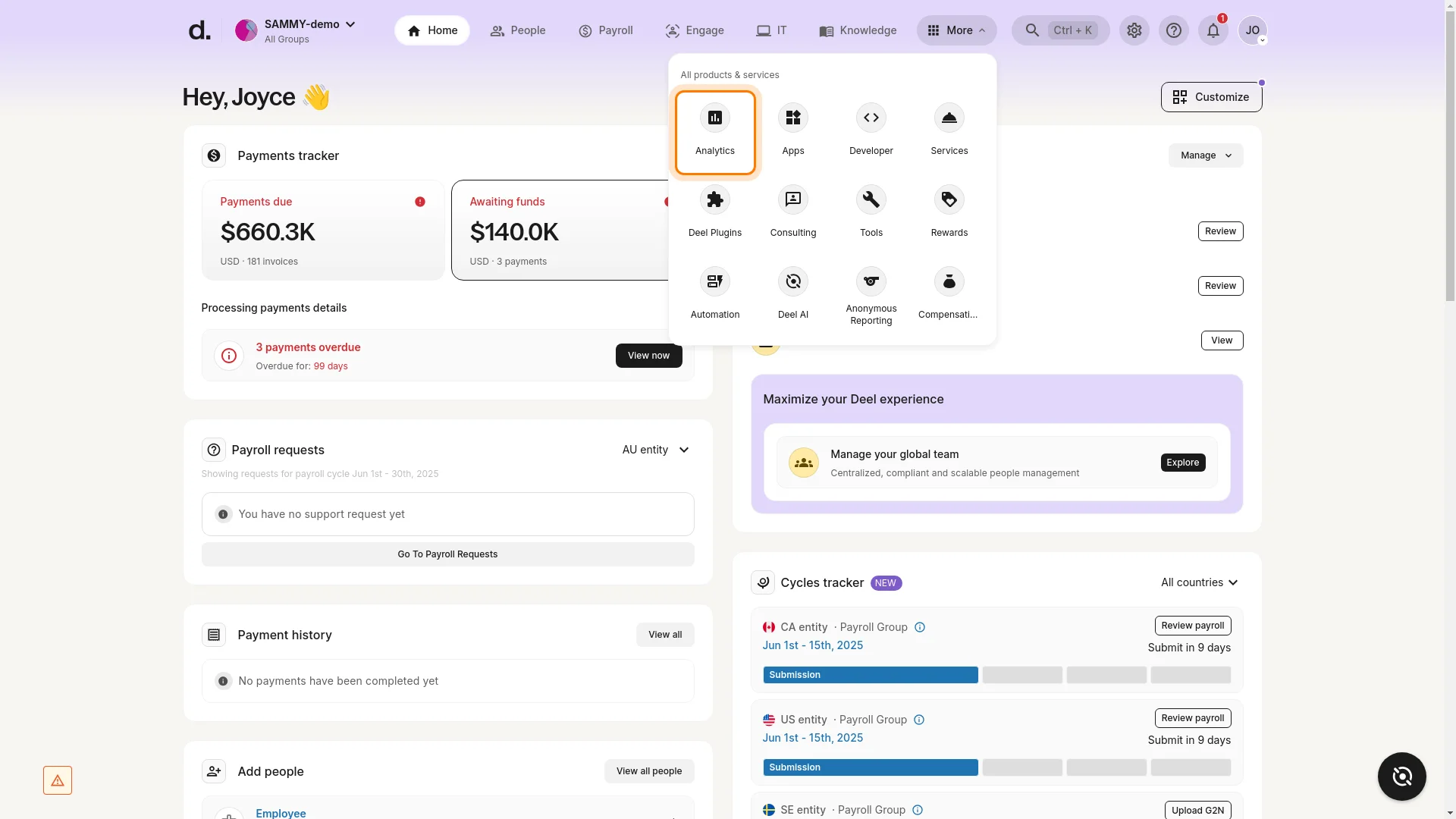
Deel is a global employment and HR platform built for reach and breadth. Founded in 2019, it covers 150+ countries through a hybrid model combining its own legal entities with a network of local partners. The product suite covers contractor management, EOR, global payroll, Deel HR (a full HRIS, free for teams up to 200 employees managed via Deel), Deel IT for device and software management, and equity and engagement tools. Deel is rated in the high 4s out of 5 on G2 as of 2026, based on thousands of verified reviews, and is ranked among the top platforms in multi-country payroll.
Key Features
- EOR across 150+ countries through a hybrid of owned entities and local partner network
- Contractor management starting at $49 per contractor per month, with compliant contracts and multi-currency payments in 120+ currencies
- Global payroll starting at around $29 per employee per month for companies with existing legal entities
- Deel HR: full HRIS included free for teams of up to 200 EOR or global payroll employees
- Deel IT: global device lifecycle management (provisioning and offboarding) across 130+ countries
- Over 100 native integrations, including a certified Workday Global Payroll Cloud partnership
Pros
“I like how quick and simple Deel Payroll is to use. I also appreciate all the added incentives and benefits from loyalty partners, like discounts on Uber or accommodation when traveling and even medical insurance. The initial setup of Deel Payroll was a breeze, really the most easy and simple, and I would definitely recommend it to a friend or colleague.” – G2 reviewer
- Widest country coverage in the category. 150+ countries through the hybrid model often enables fast onboarding in many markets compared to most EOR competitors. For companies expanding into multiple countries simultaneously or entering less common markets, the breadth is a genuine operational advantage.
- Very few platforms offer comparable breadth beyond employment. Very few platforms combine EOR, global payroll, contractor management, HRIS, IT device management, and equity administration under one login. G2 reviewers consistently cite consolidation as the primary reason they stay on Deel despite the per-employee cost.
- Contractor management is one of Deel’s most mature capabilities. Widely cited as a strength, Deel was built on contractor payments from day one. Compliant contracts, fast multi-currency payments, and strong country coverage for contractors are more developed than most competitors. Deel HR is free for teams on EOR or global payroll, which makes the HRIS effectively included.
Cons
“The only think I would say I dislike about Deel is that sometimes it performs a bit slow on my laptop so I prefer use the Android app, but besides that I don't have any complain.” – G2 reviewer
- Partner-covered countries add a layer to the compliance chain. In countries where Deel relies on local partners rather than its own entities, the direct accountability of an owned-entity model does not apply. Compliance-sensitive buyers should ask Deel to confirm the entity model for their specific markets.
- The deposit requirement affects working capital. Deel commonly requires a refundable security deposit of roughly one to 1.5 times monthly EOR fees per employee.
- Pricing complexity at scale. Country surcharges in complex markets such as Brazil, France, and India are commonly reported to add roughly $50 to $150 per month to the platform fee, though exact amounts vary. FX markups in the range of 0.6 to 2% are also reported on cross-border payments, based on third-party pricing analyses. The published rate is a starting point, and modeling full cost requires country-specific quotes.
Remote Overview
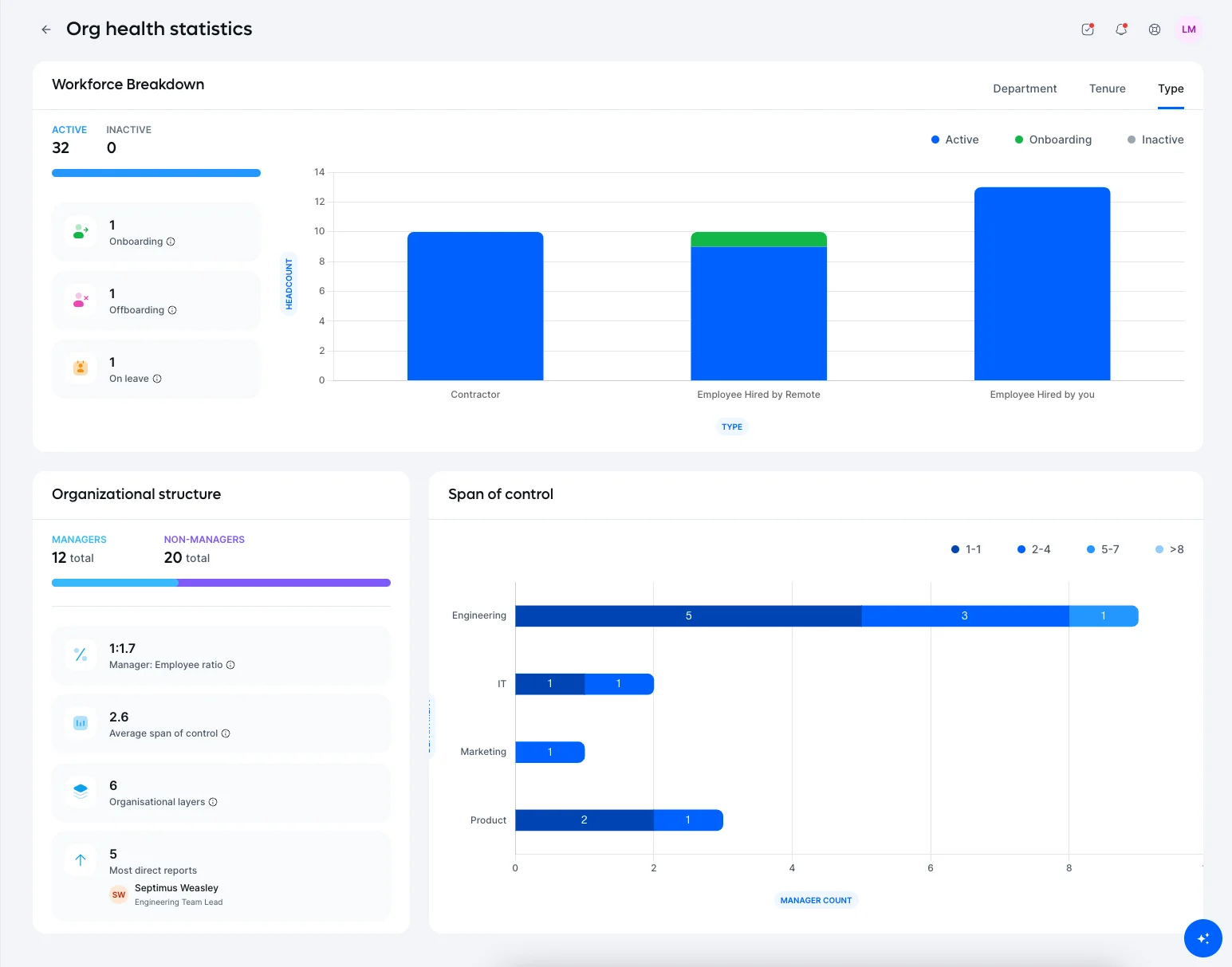
Remote (remote.com) is a global employment platform built owned-entity-first. Founded in 2019, it owns its legal entities in every country where it provides EOR, covering around 80–90 countries. When you employ someone through Remote in Germany, Singapore, or Brazil, Remote’s own local entity is the employer, with no third-party partner sitting between the platform and the employment relationship.
Beyond EOR, Remote covers contractor management, global payroll for companies with existing entities, and equity administration. Remote holds mid-4s ratings on G2 and Capterra across thousands of verified reviews as of 2026. It is highlighted as a leading EOR platform in G2’s Summer 2026 reports.
Key Features
- EOR through 100% owned legal entities in around 80–90 countries, with no third-party partners
- Contractor management starting at $29 per contractor per month for the basic tier (a higher-priced Plus tier with expanded features is also available), with compliant contracts and localized payments
- Global payroll starting at around $29 per employee per month for companies with existing legal entities
- Remote’s standard EOR contracts include IP and invention-rights assignment clauses that assign created IP to the client company
- No security deposit required, no setup fee, and typically no separate EOR offboarding fee (confirm for your specific agreement)
- Remote API for embedding global employment into existing HR and product workflows
Pros
“What I like best about Remote is how simple it makes international employment. The onboarding process was smooth, payroll has been reliable and on time, and it’s easy to access payslips, tax documents, and employment information in one place.” – G2 reviewer
- Owned-entity model means direct compliance accountability. Remote owns its entities in every EOR market it covers. There is no partner between the platform and the local employment relationship, which means a clearer accountability chain and stronger control over compliance, IP protection, and data handling.
- No deposit and flat platform pricing with no country surcharges. Remote charges $599 per employee per month on annual billing, with no security deposit and no setup fee. Separate EOR offboarding fees are not typically reported, though terms can vary by agreement. The headline rate is closer to the actual platform cost than Deel’s, which helps finance teams budget without surprises.
- IP and data protection built into standard contracts. Remote’s standard EOR contracts include IP and invention-rights protections that assign IP created by the employee to the client company. For tech companies hiring engineers internationally, this is a material structural advantage.
Cons
“The workflow around accessing historical payslips and bulk downloads could be more efficient. Currently, downloading multiple past payslips (for instance, during tax filing or applying for loans) requires clicking into each individual month’s tab one by one.” – G2 reviewer
- Narrower geographic coverage than Deel. Around 80–90 owned-entity markets is fewer than Deel’s 150+ hybrid countries. Companies that need to hire in less common markets or are expanding into many countries simultaneously will hit Remote’s coverage ceiling more quickly.
- More focused product suite. Remote covers employment and payroll well but does not match Deel’s breadth beyond those core functions. There is no equivalent to Deel IT, and while a basic HRIS is included free, paid HR Management tiers (around $12/employee/month) exist for expanded HR features.
- Support at scale is a documented friction point. Multiple G2 and Capterra reviewers note that support response times slow as headcount grows. For time-sensitive payroll or compliance questions, the standard ticket-based path can create real delays.
Pricing Comparison
Both platforms publish per-employee pricing, which is unusual in the EOR category. The starting annual EOR platform rates are the same on paper ($599), but Remote also lists a $699 month-to-month option, and the real effective cost diverges once discounts, deposits, and surcharges are factored in.
Note: All pricing figures from published vendor pricing pages and verified third-party sources as of July 2026. EOR costs exclude gross salary, employer statutory contributions (typically 10–40% of salary by country), and statutory benefits. Contact each vendor for a current quote specific to your countries and headcount.
Feature Comparison: Deel vs Remote
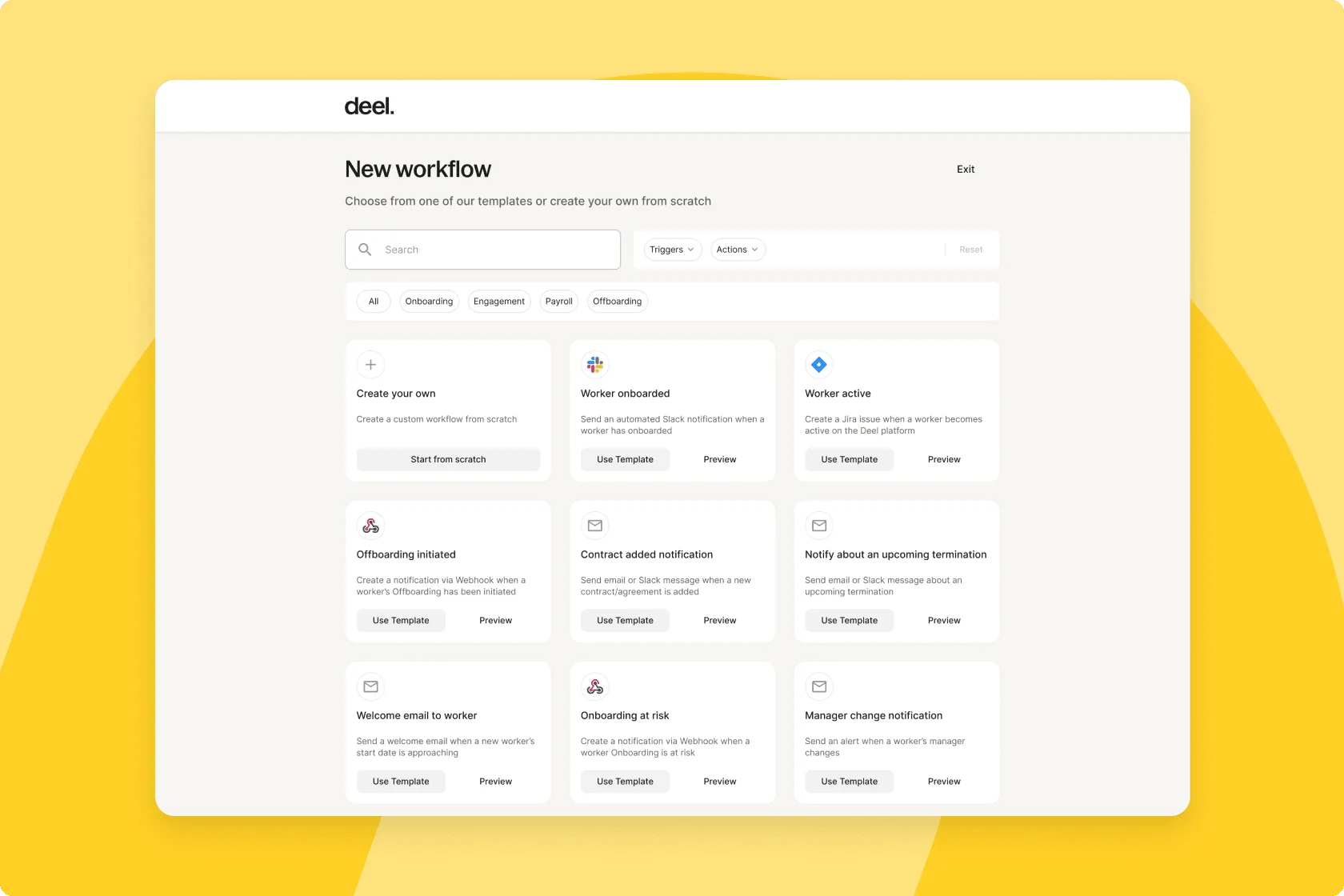
Both platforms enable companies to hire internationally without establishing local legal entities, but the architectural differences between them determine which one fits each buyer’s situation.
Country Coverage and Entity Model
This is the defining difference between the two platforms. Deel covers 150+ countries through a hybrid model combining owned entities and local partner organizations. Remote covers around 80–90 countries and owns every one of those entities outright. Neither approach is categorically superior, but the two represent fundamentally different compliance propositions.
Deel’s hybrid reach means faster entry into a wider range of markets. Remote’s owned-entity model, by contrast, means direct accountability and no partner between the platform and the local employment relationship in every country it covers. For companies hiring in a broad spread of countries, Deel’s coverage is the practical answer. For companies concentrating hires in markets where both platforms operate, Remote’s model offers a tighter compliance chain.
Verdict: Deel for breadth of coverage; Remote for owned-entity compliance depth in the markets it covers.
EOR and Compliance
Both are credible, well-reviewed EOR platforms, but the compliance distinction between them is structural. Remote’s owned-entity model gives it direct control over the employment relationship, IP protection, and data handling in every market it covers. Deel’s hybrid model means that in partner-covered countries, a third party holds the legal employer relationship and the compliance chain is one step longer.
Remote’s standard EOR contracts include IP and invention-rights assignment clauses, which is a material consideration for technology companies and product teams hiring engineers or designers internationally.
Verdict: Remote for compliance depth and IP protection; Deel for reaching the widest set of countries.
Contractor Management
Contractor management is one of Deel’s most mature capabilities and is widely cited as a strength. Deel supports compliant contractor payments across a wide range of countries, with multi-currency payments in 120+ currencies, GDPR-compliant contract generation, and a Contractor of Record option at $325 per contractor per month for elevated misclassification risk situations.
Remote’s contractor management is solid and priced more competitively at $29 per contractor per month (basic tier) versus Deel’s $49. Remote also offers a Contractor of Record option at around $325 per contractor per month for higher-risk misclassification cases, similar to Deel’s pricing. For a team running 20 contractors, the basic tier difference works out to a $4,800 annual difference. It is also worth noting that Remote’s contractor management covers significantly more territories than its EOR footprint, extending well beyond its 80+ EOR countries according to Remote’s own marketing materials.
Verdict: Deel for contractor management breadth and depth; Remote for contractor pricing.
Global Payroll
Both platforms offer global payroll for companies with existing legal entities, starting at around $29 per employee per month. Deel’s global payroll spans a wider set of countries and benefits from its scale and the Workday Global Payroll Cloud partnership. Remote’s global payroll is tightly integrated with its owned-entity infrastructure where it operates, covering around 80 countries.
For most buyers, the decision comes down to which platform’s supported country list matches their entity footprint more closely. Since the per-employee rate is similar and both handle local tax filing, currency conversion, and payroll compliance, the country match is usually the deciding factor.
Verdict: Roughly even; determined by which platform’s payroll country list matches your entities.
Product Breadth Beyond Employment
Deel has expanded into adjacent categories. Deel HR is a full HRIS included free for teams of up to 200 employees on Deel EOR or global payroll. Deel IT covers device provisioning, lifecycle management, and secure offboarding for distributed teams across 130+ countries. Equity administration, engagement tools, and immigration support are also available, making Deel a genuinely consolidated global HR and IT platform.
Remote covers the employment and payroll core well, and also offers equity administration and a Remote Talent marketplace for sourcing international candidates. That said, there is no IT device management equivalent, and while a basic HRIS is included free, paid HR Management tiers (around $12/employee/month) exist for expanded HR features.
Verdict: Deel for platform breadth and consolidation; Remote for focused, deep employment and payroll.
Pricing Transparency and Predictability
Both platforms publish their headline EOR rates, which already puts them ahead of most competitors in the category. Remote’s $599 per employee per month (annual) is a flat platform service fee across its covered countries, with no country-specific variation in that fee and no deposit required. Total employment cost still varies with local taxes and employer contributions, but the platform rate itself is predictable.
Deel’s pricing involves more variables. Country surcharges in complex markets, a deposit requirement, and FX markups all affect the real monthly cost. That said, volume discounts are more aggressive than Remote’s, which can make Deel cheaper at higher headcounts when rates are negotiated.
Verdict: Remote for pricing predictability and no deposit; Deel for volume discounts and suite flexibility.
Choose Deel If:
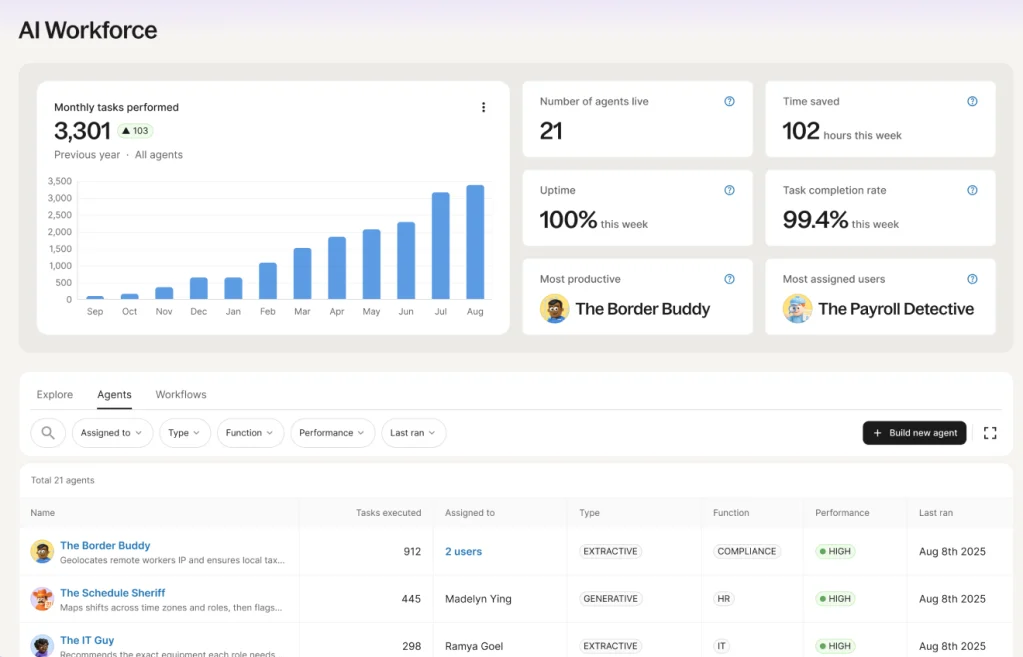
- You need coverage in 150+ countries. Deel’s hybrid model gives it the widest geographic reach in the category. If you’re hiring in markets that Remote’s owned-entity footprint does not cover, Deel is the practical path.
- You want to consolidate employment, HR, IT, and payroll in one platform. Deel HR, Deel IT, and the broader suite mean a single vendor handles global headcount from contract to device to payroll. Very few EOR platforms match this breadth.
- You are managing a large contractor population alongside EOR employees. Deel’s contractor management is widely cited as one of its most mature capabilities, and Deel HR being free for EOR teams makes the combined cost competitive for mixed workforces.
- Volume discounts matter to your unit economics. In 2026 pricing breakdowns, teams committing to 20 to 50+ EOR seats often report negotiated rates in the $350 to $500 range, sometimes lower at larger volumes.
- Speed of entering many countries is a priority. In general, partner-supported coverage allows Deel to enter more markets without waiting for an owned entity, which can translate to faster availability in some countries.
Choose Remote (remote.com) If:
- Compliance depth and the owned-entity model matter to your legal or finance team. Every country Remote covers is backed by its own legal entity. For compliance-sensitive organizations, this is the core reason to choose Remote over Deel.
- IP and invention-rights protection is a priority. Remote’s standard EOR contracts include IP assignment clauses, removing a structurally important risk for product companies hiring engineers internationally.
- Your CFO cares about deposit-free onboarding. Remote requires no security deposit. Deel’s deposit requirement can lock up significant working capital before the first payroll runs.
- You want flat, predictable per-employee pricing with no country surcharges. Remote’s $599 platform service fee applies consistently across its covered markets without country-specific add-ons.
- Your hiring is concentrated in countries where Remote owns entities. If your planned hire locations fall within Remote’s owned-entity footprint, you get the compliance depth of the owned-entity model without giving up geographic reach.
Final Verdict
For companies that need the widest possible country coverage or want to consolidate global employment, HR, and IT on one platform, Deel will often be the more practical fit. The 150+ country reach, the breadth of the product suite, and the contractor management depth are rarely matched in the current EOR market.
For companies where compliance confidence, IP protection, predictable deposit-free pricing, and direct owned-entity accountability matter more than maximum coverage, Remote (remote.com) is the better choice. Its owned-entity model, flat platform service fee, and built-in IP assignment clauses address compliance requirements that Deel’s hybrid model does not fully match.
Both platforms are category leaders; the right one is determined by where you are hiring and what you are optimizing for. Our best EOR services roundup covers additional options, and our global payroll software list covers adjacent decisions.
.png)